Physical Address
304 North Cardinal St.
Dorchester Center, MA 02124
Physical Address
304 North Cardinal St.
Dorchester Center, MA 02124
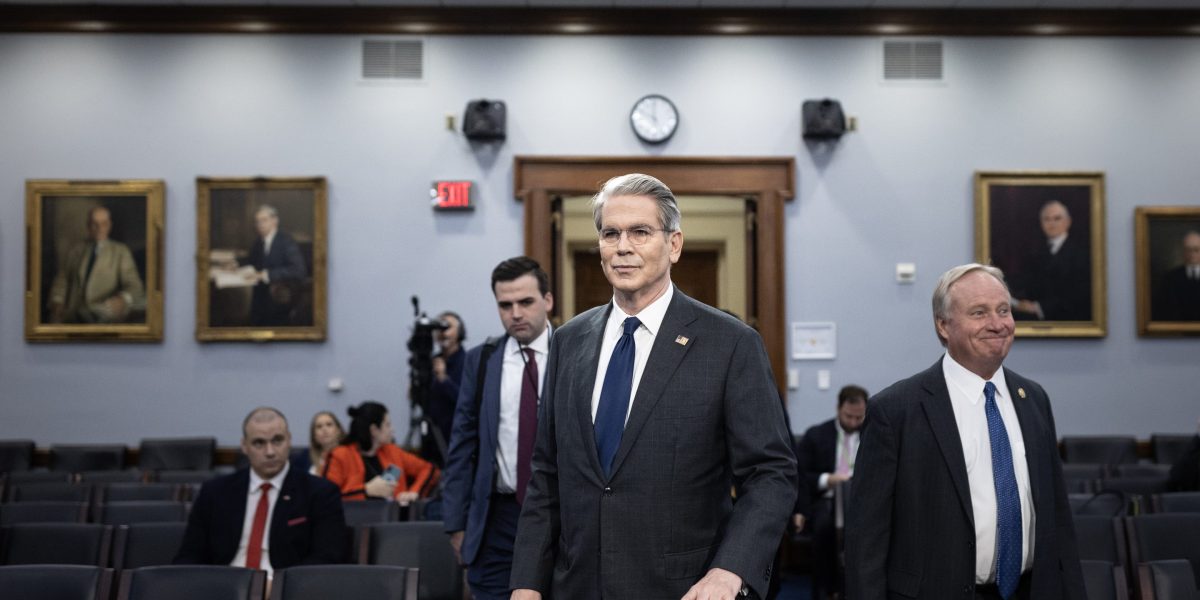

Asia markets increased the news that the United States and China had not begun negotiations on 100%+ rates as a blockade, which have been put on each other …But he is about to do. The Trump administration said that the Treasury Secretary, Scott Bessent and the commercial representative Jamieson Greer, would travel to Switzerland on Thursday, where they are planned to meet the Chinese Vice President He Lifeng, the main economic representative of Beijing, for meetings that will take place between May 9 and 12.
But the excitement of the investors was tempered by the lack of commercial treatment so far and for Yesterday the statement of President Donald Trump At a meeting with Canadian Prime Minister Mark Carney, his administration No “must sign offers.”
The main Asian markets of China, Japan and South Korea increased, but in less than 1%. Investors seem to be betting because the Papal conclave It will produce results before commercial negotiations do.
Also the excitement of the temperament market? Today’s Today’s Interest Decision Break. Wall Street is almost 100% positive that FED President Jerome Powell will not announce a current rate from 4.25% to 4.25% of the central bank, but he is looking forward to hearing what he says about future rates cuts.
FED Funds’ markets suggest a 3% probability of 0.25 points cut at the FED meeting, but the probability will increase to 48% at the June meeting, the Lazard Ronald Temple market market strategist stands out.
But the temple advice against optimism. Why? Inflation
“I continue to wait for any cut of rates fed by 2025 due to the reaction of inflation that probably results from the United States rates,” he says. “With each increase in a percentage point of the US weighted average rate on goods equivalent to about 10 pb of additional basic inflation, the current level of rates could add 175 PB to basic inflation at the end of the year assuming that there are no more political changes.”
And, although Temple acknowledges that “assuming any policy change” to Trump’s administration is a terrible bet, he says that future tariff movements will change, instead of reducing, the general tariff environment.
The Goldman Sachs chief economist, Jan Hatzius, is not too optimistic about the turns of the tariff world. He states that “mood” between the two countries has improved, leading to their team to wait for the U.S. rate rate to China to fall from 160% to 60% “relatively soon” stratospheric and that “resilience in harsh economic data has also reassured investors.”
But …
“However, our 12 -month recessal risk estimate is still 45%,” he writes in a note on Tuesday. “”Beyond USA-XINA, we still expect more rates to other areas-pharmaceuticals, semiconductors and movies potentially and we see a significant risk that some of the “reciprocal” rates stop at the end. “
Here is a snapshot of today’s action:
This story originally presented to Fortune.com
